Pelvic Pain & Sexual Health | Stephenson Physical Therapy
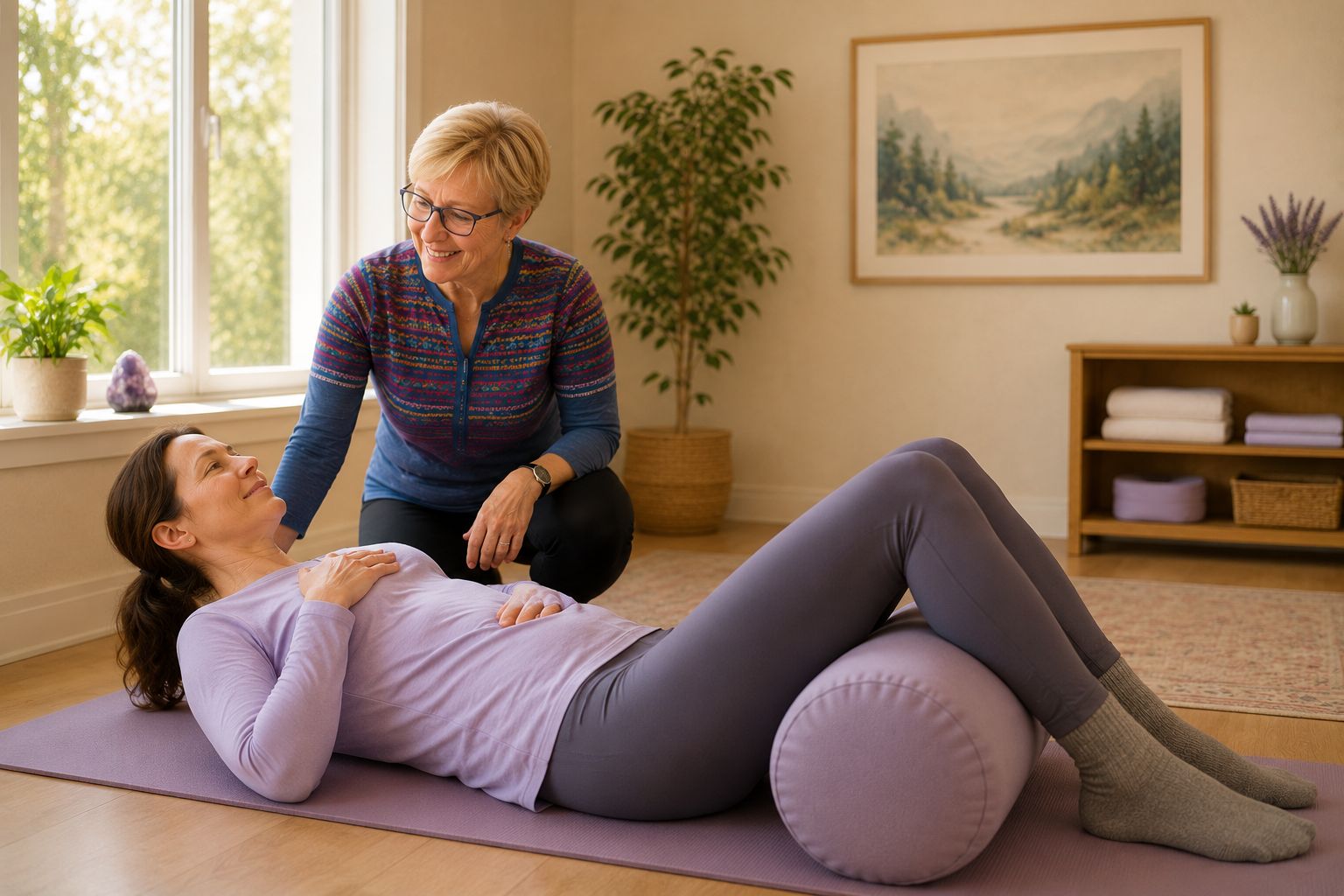
A woman rests with a bolster under her knees while a physical therapist provides gentle hands-on pelvic care.

Pelvic Pain & Sexual Health

Break Free From Pelvic Pain.

Chronic pelvic pain is complex — but “complex” is not the same as “permanent.”

Persistent pain in the pelvis, abdomen, or genital region can come from muscle tension, nerve irritation, scar tissue, or several of these at once — which is exactly why it so often goes unresolved. I take the time to understand where your pain actually comes from, then treat it comprehensively, with the discretion and care this kind of work deserves.


A physical therapist listens and holds a patient’s hands during a supportive consultation.

A thorough assessment lets me separate the threads — whether your pain is driven by pudendal neuralgia, levator ani spasm, vulvodynia, coccydynia, or the muscle guarding behind painful intimacy (dyspareunia) and vaginismus. From there, desensitization techniques, manual therapy, and neuromuscular reeducation calm the system down and restore normal function. Sexual health is part of that conversation, not an afterthought.

Specialized treatments

  • Vulvodynia & VestibulodyniaGeneralized or localized vulvar pain reduced through desensitization and manual therapy.
  • Pudendal NeuralgiaTechniques to calm the nerve irritation causing burning, shooting pain, or numbness.
  • Coccydynia (Tailbone Pain)Tissue mobilization and postural work to make sitting bearable again.
  • Levator Ani SyndromeTargeted relaxation and neuromuscular reeducation for deep pelvic aching.
  • Dyspareunia (Painful Intercourse)Addressing the physical drivers so you can enjoy intimacy again.
  • VaginismusHighly treatable with progressive desensitization and pelvic floor retraining.

Please stop waiting for this to fix itself. Pain this personal deserves a provider who treats both the tissue and the person — and who has spent decades doing exactly that.

What I treat

Conditions treated

Pain syndromes

  • Chronic pelvic pain
  • Vulvodynia
  • Vestibulodynia
  • Pudendal neuralgia
  • Coccydynia (tailbone pain)
  • Levator ani syndrome

Sexual health

  • Dyspareunia (painful intercourse)
  • Vaginismus
  • Scar-related pain

Good to know

Common questions

Yes. Painful intercourse usually has physical drivers — muscle guarding, tissue sensitivity, or scarring — that pelvic floor therapy can directly address. We work through them gradually, always at your pace, so intimacy can become comfortable again.

Treatment focuses on calming an irritated nerve and the muscles around it. That means gentle desensitization, manual therapy to release surrounding tension, and neuromuscular reeducation — reducing the burning, shooting, or numb sensations over time rather than masking them.

Often, yes. Because chronic pelvic pain frequently comes from muscle, nerve, and scar-tissue patterns, a targeted physical therapy approach can reduce or resolve it by treating those drivers directly — a conservative, first-line option worth trying before more invasive routes.

You deserve to feel at home in your body again.

Ready to start?